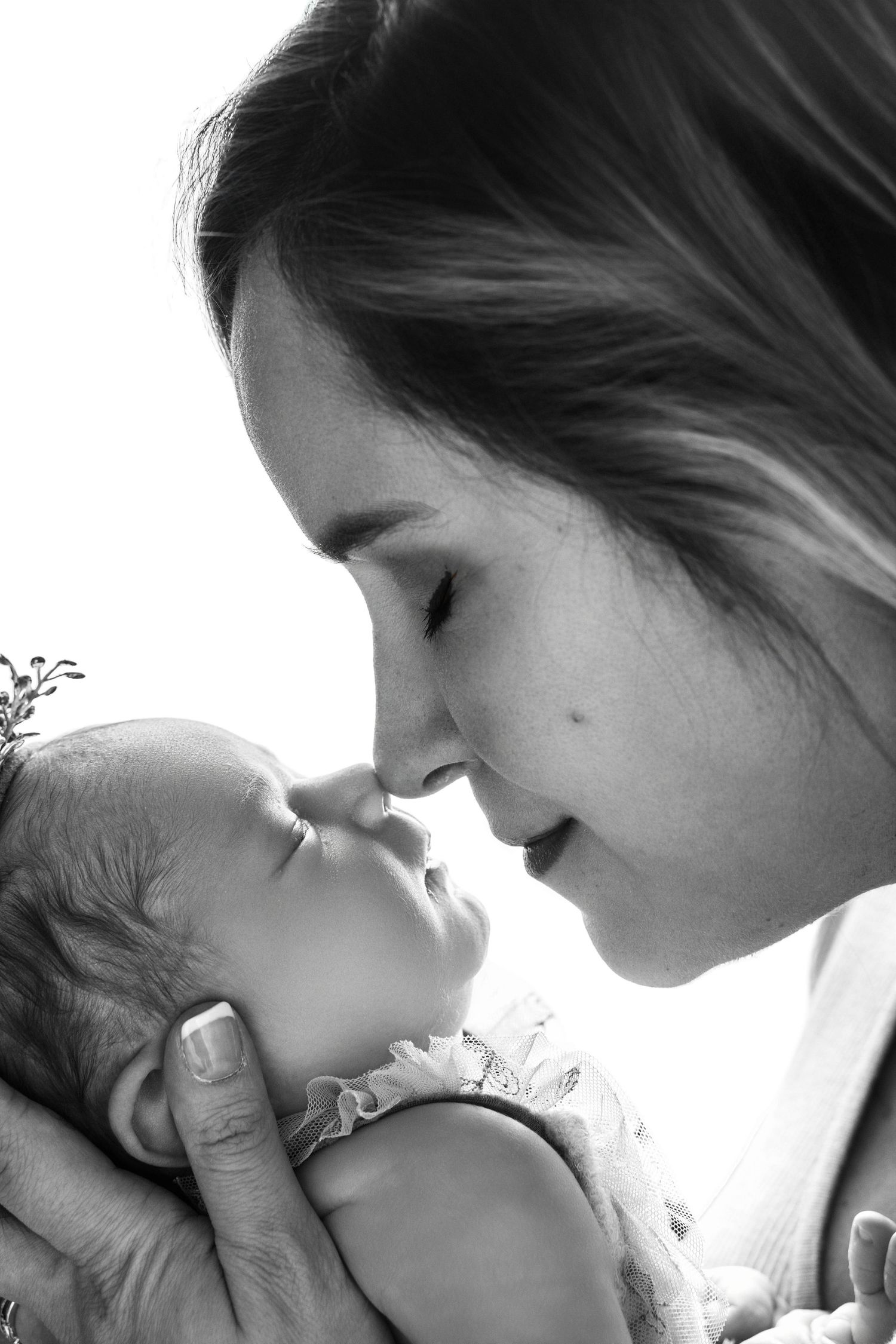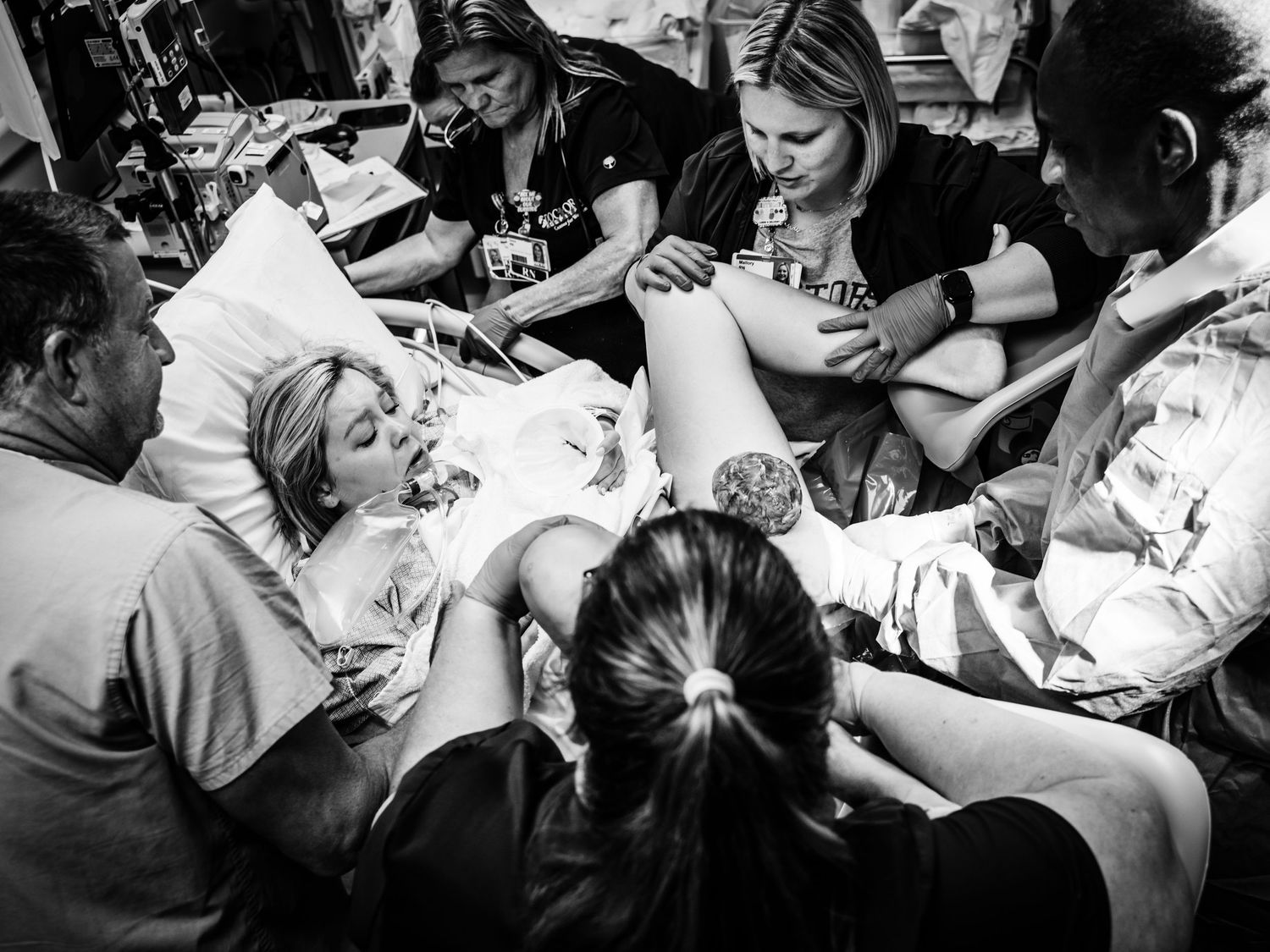
Lessons learned from labor rooms, surrender, and why motherhood and entrepreneurship both laugh at carefully made plans.
The first birth I ever photographed cured me of the illusion that I was in control of literally anything.
Not in a dramatic, movie-scene way. No shouting. No epiphany with swelling music. Just a quiet moment in a dim labor room where a perfectly typed birth plan sat untouched on a side table while real life did whatever it wanted.
I remember thinking, well. That’s humbling.
Before I was a birth photographer, I was a planner. A spreadsheet person. A color-coded calendar enthusiast. The kind of woman who believed that if you researched enough, prepared enough, and wanted something badly enough, you could steer the outcome. Motherhood had already cracked that belief a little, but birth photography shattered it clean in half and handed it back to me like, here. You dropped this.
Labor rooms are fascinating because control is both desperately sought and completely imaginary. Everyone comes in with a plan. Low lights. Certain music. Minimal interventions. Or the opposite. All the interventions. The plan is rarely wrong. It’s just rarely obeyed.
I’ve watched women walk in confident and calm, only to be knocked sideways by contractions that didn’t read the memo. I’ve watched women come in terrified and discover a strength they didn’t know lived in their bodies. I’ve seen labors stall and labors sprint. I’ve seen tears of disappointment and tears of awe coexist in the same hour.
And I’ve learned that control is not the hero of these stories. Surrender is.
That lesson didn’t land softly for me.
When Mackenzie was born, I wanted control more than I wanted peace. I wanted the right experience, the right feelings, the right memories. I thought if I followed the rules and did everything “well,” the outcome would be predictable. Motherhood introduced me to the first crack in that logic. A baby does not care about your preferences. A newborn does not respond to your sense of order. She arrived, beautiful and loud and utterly unconcerned with my expectations.
Carter deepened that lesson. She was my reminder that even when you think you know what you’re doing, life will remix the script.
Thomas sealed it. By the time he arrived, I understood that control was a comfort object, not a strategy.
But watching other women labor, stripped of everything except instinct and breath, changed me in a quieter, deeper way.
There is something profoundly honest about a birth room. Titles disappear. Performance drops. No one cares how capable you look. You can’t white-knuckle your way through contractions. You can’t productivity-hack a body that is doing ancient, messy work. You can either fight it or work with it, and the room always knows which one you’re choosing.
I’ve seen the shift happen mid-labor. The moment a mother stops trying to manage the process and starts trusting herself inside it. Her shoulders drop. Her breathing changes. The room feels different. Not easier, but clearer.
That moment taught me more about control than any business book ever could.
Because here’s the uncomfortable truth. Motherhood and entrepreneurship are cut from the same fabric. You can plan meticulously and still get humbled before lunch.
When I moved from Massachusetts to Virginia, then eventually to Georgia, I thought I was being strategic. I had timelines. Goals. A vision for how my career would unfold. Starting my photography business felt like something I could control. I built it piece by piece. Session by session. Referral by referral.
And then motherhood happened alongside it. And later, divorce. And suddenly the illusion that hard work alone dictated outcomes was laughable.
Running a business taught me that no matter how prepared you are, variables exist. Clients change plans. Markets shift. Kids get sick on launch days. Life interrupts your momentum without apology.
Birth taught me how to stay present inside that uncertainty.
In labor rooms, I learned that control doesn’t look like force. It looks like adaptability. It looks like listening. It looks like knowing when to push and when to pause. Those lessons followed me home, whether I wanted them to or not.
They followed me into motherhood, when Mackenzie needed something different than Carter, and Carter needed something different than Thomas, and none of them responded to the same playbook.
They followed me into my business, when I realized growth didn’t come from rigid plans but from responsiveness. From learning to pivot without panicking. From trusting that I could handle what came next, even if I didn’t know what it was yet.
They followed me into divorce, in the most humbling way of all.
Divorce is another place where control shows up dressed as survival. You want timelines. You want clarity. You want outcomes. You want the mess to organize itself neatly so you can breathe again. But just like birth, you don’t get to control the process. You only get to choose how present you are inside it.
What birth taught me was this. Control is often fear wearing a sensible outfit.
Surrender, on the other hand, gets a bad reputation. People hear surrender and think weakness. Giving up. Letting go. What I’ve seen in labor rooms tells a different story. Surrender is strength with its jaw unclenched. It’s the decision to trust yourself instead of trying to dominate the unknown.
That doesn’t mean you stop preparing. It means you stop pretending preparation guarantees outcomes.
As a photographer, this changed how I see moments. I don’t chase perfection anymore. I watch for truth. I look for the way a mother exhales when she finally stops fighting the moment she’s in. I notice the quiet strength that shows up when control steps aside.
Those are the moments that matter. Not because they’re pretty, but because they’re real.
And as a mother, it changed how I measure success. Success isn’t keeping everything on track. It’s staying connected when the track disappears. It’s knowing that even when plans unravel, I’m still capable. Still grounded. Still enough.
Entrepreneurship laughs at carefully made plans the same way birth does. Not cruelly. Honestly. It reminds you that control was never the point. Capacity was.
The ability to respond. To adapt. To trust yourself when the room gets quiet and the plan stops working.
If birth taught me anything, it’s this. You don’t need control to be powerful. You need presence.
And presence, unlike control, is something you can always choose.