I don’t remember my kids’ first days the way people expect me to.
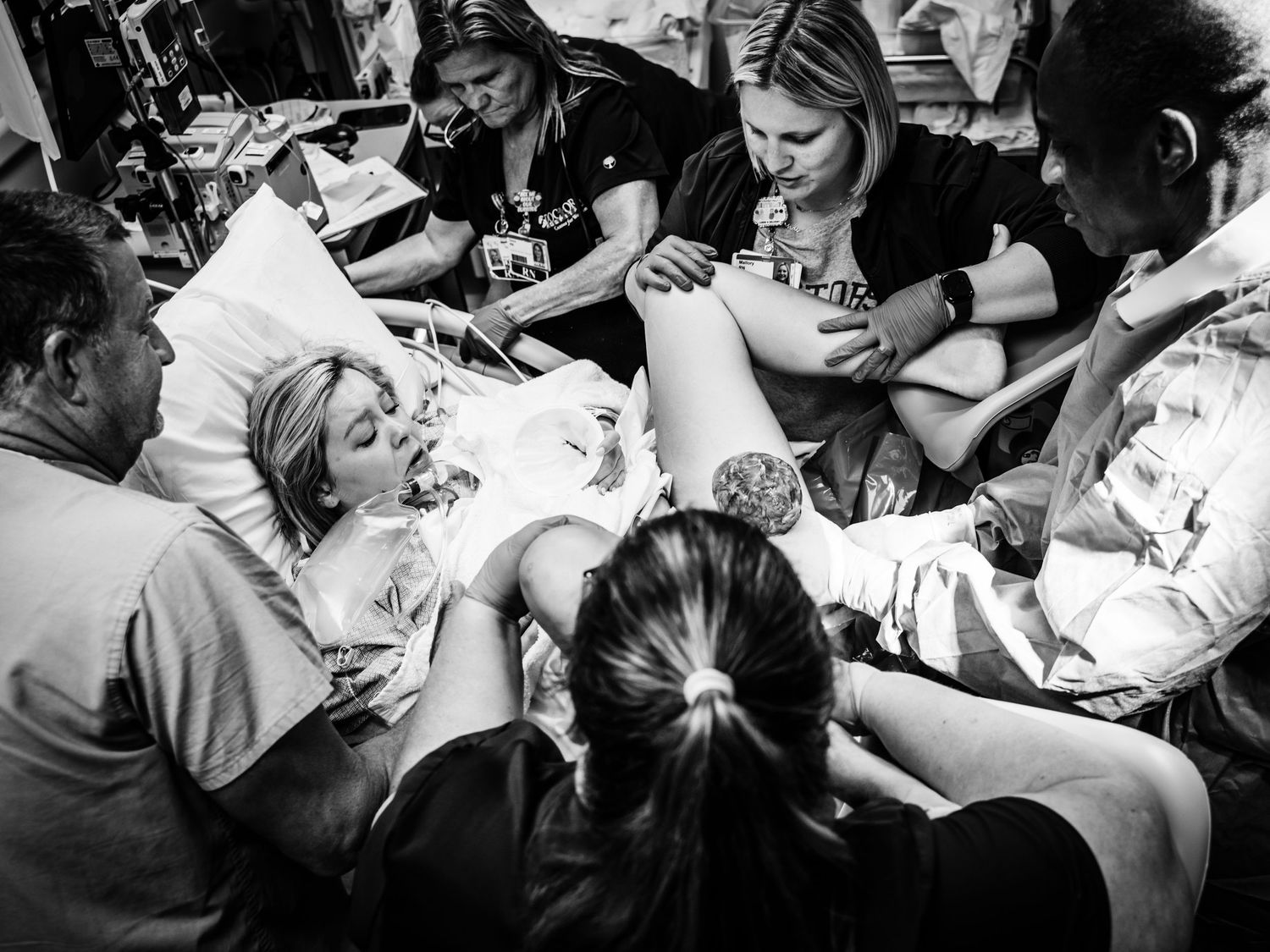
I don’t remember the exact hour they were born without checking something. I don’t remember what I ate afterward, or who was in the room first, or what the nurse said that everyone swears was profound. Those details feel like someone else’s story, a movie I half-watched while recovering from something enormous.
But I remember their smell.
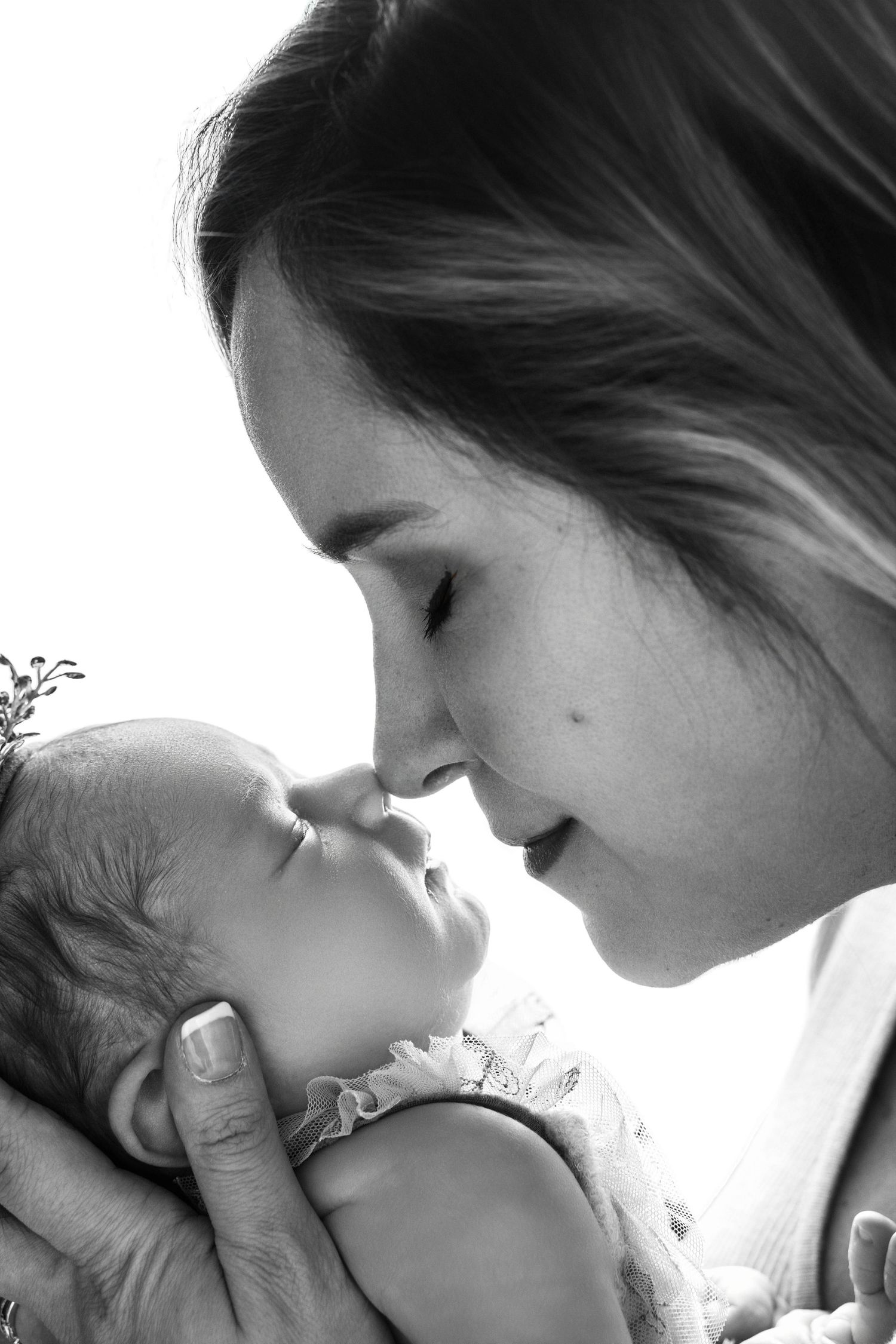
I could pick it out of a crowd. If newborn scent were a person, I’d recognize it blindfolded, half-asleep, emotionally fragile, and holding a cold cup of coffee. It’s not perfume-sweet. It’s warm and milky and faintly metallic and utterly irrational in the way it grabs you. I remember pressing my face into the soft place behind their ears like it was oxygen. I remember thinking, this. This is what my brain is trying to hold onto.
When Thomas was born, I was so tired that time lost its shape. Days didn’t progress so much as… happen. People asked me what labor was like, and I gave vague answers because the truth was I had already moved on to the next task: keep this tiny human alive. I don’t remember the first night clearly, but I remember the way his head smelled when I kissed it, like my body recognized him before my mind caught up.
Carter’s newborn days were louder. She came with opinions. She wanted to be held a certain way and fed on her own schedule, and she let me know when I failed to guess correctly. I don’t remember what I wore home from the hospital. I don’t remember which onesie was “the first one.” I remember how her scent clung to my shirt hours after I put her down, like proof she had existed there.
By the time Mackenzie arrived, I was a veteran of the newborn fog. I knew better than to expect clarity. I knew memory would be patchy, selective, a little unfair. I didn’t try to force myself to remember everything. I leaned into the things that stayed without effort. Her weight against my chest. The soft sigh she made when she finally settled. That smell, again, anchoring me to something real when my brain was busy misfiring.
Here’s the part no one tells you. Memory during early motherhood isn’t broken. It’s redirected.
Your brain is in triage mode. It’s prioritizing survival, attachment, and regulation. It’s not filing things neatly for future nostalgia. It’s scanning for cries. It’s tracking feeding times. It’s keeping the lights on while your body heals and your identity quietly rearranges itself.
So no, you might not remember the exact details. But you remember the things that mattered most to your nervous system.
The sensory stuff. The way your baby felt. Smelled. Sounded.
I didn’t realize how much this would matter to me later.
When I became a photographer, especially working with newborns, I noticed something right away. Parents often apologize before they even see their photos. They say things like, “I don’t remember any of this,” or “I was so out of it,” or “I feel bad that it’s all a blur.”
And I always think, of course it was.
Photographs don’t replace memory. They collaborate with it.
A photo doesn’t jog your recall of timelines or facts. It unlocks sensation. You see the image, and suddenly your chest tightens. Your throat does that thing. You don’t remember the day. You remember the feeling.
I’ve watched mothers see images of their newborns and inhale sharply, like their body recognized something before their brain did. I’ve heard them say, “I forgot how tiny,” or “I forgot he did that with his hands,” or “I forgot her hair did that.”
They didn’t forget. Their brain just filed it somewhere different.
There’s a reason scent is the strongest memory trigger we have. It bypasses logic. It goes straight to the emotional center. That’s why you can forget entire years and still be undone by the smell of a baby blanket or clean cotton warmed by skin.
Motherhood is full of these quiet contradictions. You are fully present and completely foggy at the same time. You are deeply in love and wildly disoriented. You are there, but not in the way people romanticize.
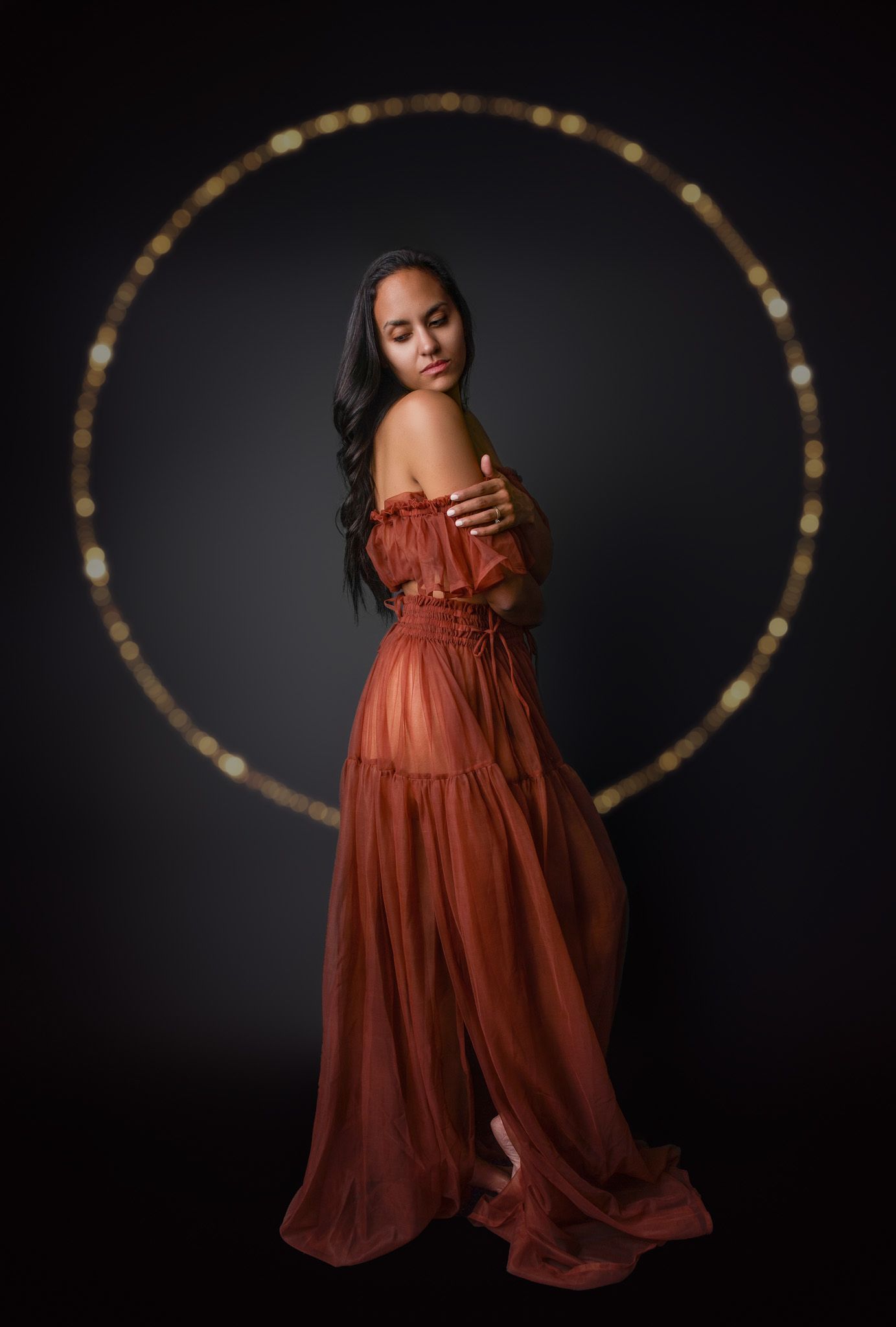
As a mom navigating divorce now, I see this pattern repeating in a new way. I don’t remember every conversation. I don’t remember dates or exact words. But I remember how certain moments felt in my body. The heaviness. The relief. The clarity that came not all at once, but in small, sensory ways. A quiet house. A deep breath. The smell of my kitchen late at night when the kids are asleep and I finally exhale.
Memory isn’t a highlight reel. It’s a collection of sensations that your body decided were important enough to keep.
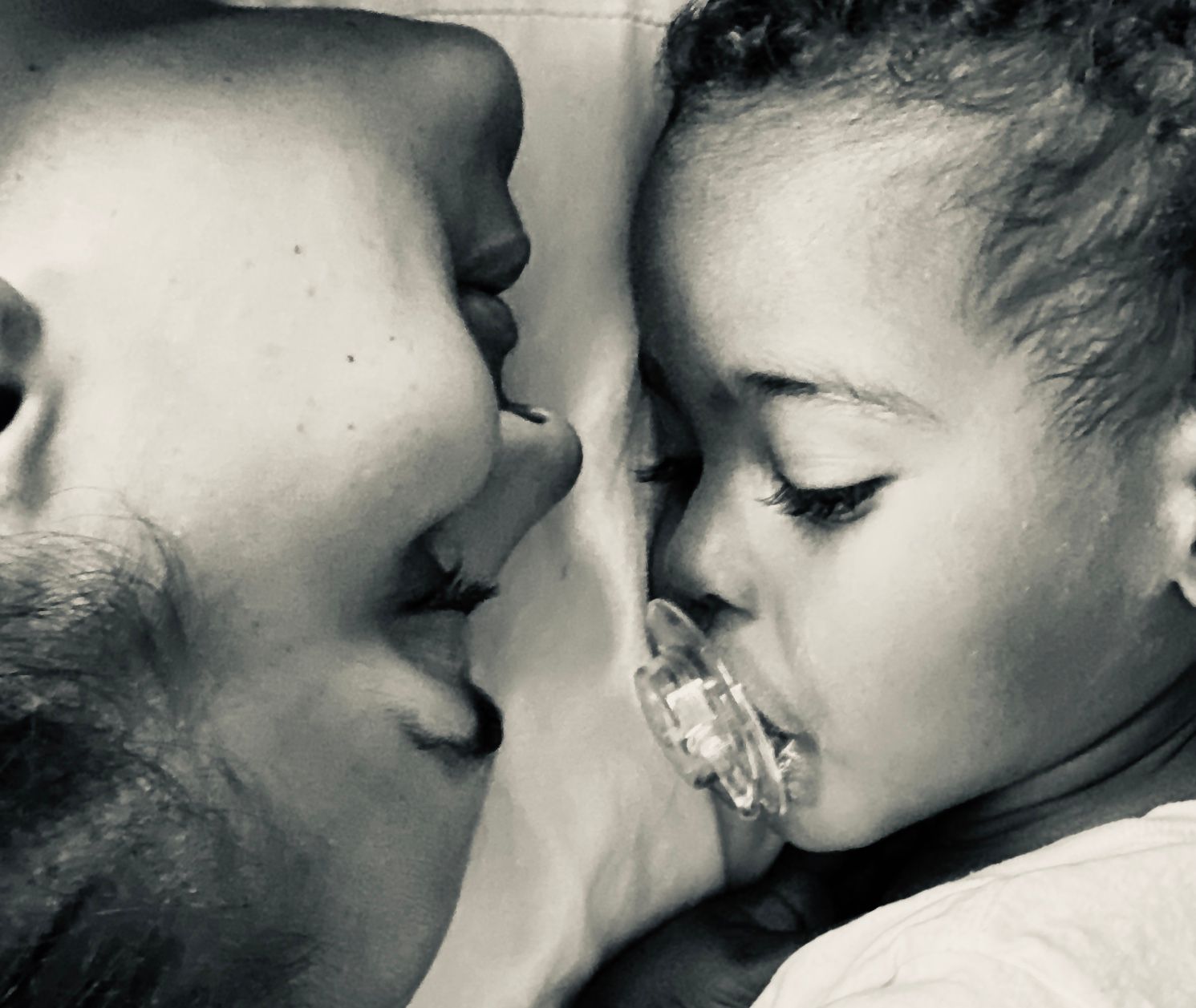
When Thomas curls into me on the couch now, seven years old and still smelling faintly like soap and whatever outside adventure he’s been on, something in me recognizes the echo of who he was. When Carter leans over my shoulder, ten and confident, her hair brushing my arm, there’s familiarity that has nothing to do with pictures. Mackenzie, eleven and all sharp wit and softness, still carries traces of that babyhood in ways I can’t articulate but always feel.
I don’t remember their first days clearly.
But my body remembers them.
That’s why photographs matter in the way they do. Not because they capture everything, but because they give your memory something to hold onto when your brain was too busy doing something else.
They don’t ask you to remember harder. They meet you where you were.
So if you’re in the newborn fog right now, if the days blur and the details slip through your fingers, let yourself off the hook. You’re not failing at memory. You’re storing it differently.
One day, you’ll catch a whiff of something familiar. Clean skin. Warm cotton. Milk and something undefinable.
And you won’t remember the day.
You’ll remember the love.